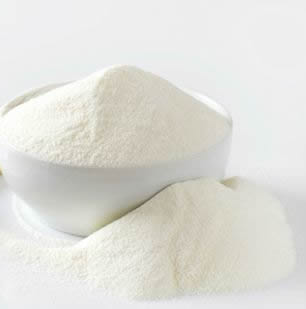
In a cool and dry place. Keep away from direct strong light.
Packaging:
25kg/drum
Shelf Life:
Maximum 24 month when stored unopened provided proper storage conditions are maintained
Herb Information
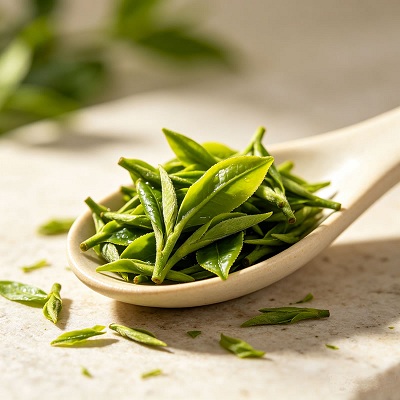
Name: Green Tea Biological Name: Camellia sinensis Other Names: Green Tea Parts Used: Leaves
Active Compounds: Green tea contains volatile oils, vitamins, minerals, and caffeine, but the active constituents are polyphenols, particularly the catechin called epigallocatechin gallate (EGCG). The polyphenols are believed to be responsible for most of green tea's roles in promoting good health.
Research demonstrates that green tea guards against cardiovascular disease in many ways. Green tea lowers total cholesterol levels and improves the cholesterol profile (the ratio of LDL cholesterol to HDL cholesterol), reduces platelet aggregation, and lowers blood pressure.
The polyphenols in green tea have also been shown to lessen the risk of several types of cancers, stimulate the production of several immune system cells, and have antibacterial properties-even against the bacteria that cause dental plaque.
History: According to Chinese legend, tea was discovered accidentally by an emperor 4,000 years ago. Since then, traditional Chinese medicine has recommended green tea for headaches, body aches and pains, digestion, depression, immune enhancement, detoxification, as an energizer, and to prolong life. Modern research has confirmed many of these health benefits.
Remedies For: Green tea is useful for:
Cancer risk reduction
Gingivitis (periodontal disease)
High cholesterol
Hypertension (high blood pressure)
Hypertriglyceridemia (high triglycerides)
Immune function
Infection
Most of the studies of the effect of the green tea have been focused on its cancer-causing and cancer-protecting aspects. Green tea polyphenols are potent antioxidant compounds. They are more potent antioxidants than vitamin E and vitamin C.
Green tea may also increase the activity of the antioxidant enzyme. A number of animal studies have shown that green tea polyphenols may offer significant protection from cancer. It is believed that they do so by blocking the formation of cancer-causing compounds such as nitrosamines, suppressing the activation of carcinogens, and detoxifying or trapping cancer causing agents.
Green tea is believed to have the greatest effect on cancers of the gastrointestinal tract such as stomach, small intestine, pancreas, and colon; lung cancer; and estrogen related cancers including most breast cancers.
It is interesting to note that green tea prevents cancer, whereas black tea increases the risk of certain cancers such as cancer of the rectum, gallbladder, and endometrium.
Description: All teas (green. black, and oolong) are derived from the same tea plant, Camellia sinensis. The difference is in how the plucked leaves are prepared.
The tea plant has long been cultivated in China. It is an evergreen shrub or tree that can grow to a height of 30 feet, but is usually maintained at a height of 2 to 3 feet by regular pruning. The hairy leaves of the tea plant are used both as a social and medicinal beverage. The parts used are the leaf bud and the two adjacent young leaves together with the stem, broken between the second and the third leaf. Older leaves are considered inferior in quality.
Green tea, unlike black and oolong tea, is not fermented, so the active constituents remain unaltered in the herb. It is produced by lightly steaming the fresh cut leaf. Green tea is very high in polyphenols with potent antioxidant and anticancer properties.
Dosage: Much of the research documenting the health benefits of green tea is based on the amount of green tea typically drunk in Asian countries-about three cups per day (providing 240-320 mg of polyphenols).
To brew green tea, 1 teaspoon of green tea leaves are combined with 250 ml (1 cup) of boiling water and steeped for three minutes. Tablets and capsules containing standardized extracts of polyphenols, particularly EGCG, are available; some are decaffeinated and provide up to 97% polyphenol content-which is equivalent to drinking four cups of tea.
Safety: Green tea is extremely safe. The most common adverse effect reported from consuming large amounts of green tea is insomnia, anxiety, and other symptoms caused by the caffeine content in the herb.
Disclaimer
All of the above information is, to our best knowledge, true and accurate. However, since the the conditions of use are beyond our control, all recommendations or suggestions are made without guarantee, express or implied on our part. We disclaim all liability in connection with the use of information contained herein or otherwise, and all such risks are assured by user. Nothing contained herein shall be construed to infer freedom from patent intringement. We further expressly disclaim all warranties of MANCHANTABILITY and FITNESS FOR A PARTICAL PURPOSE This product is not intended to diagnose, treat, cure and prevent any disease.
Green Tea Extract Cas No.: 989-51-5;84650-60-2 是什么产品?
Green Tea Extract Cas No.: 989-51-5;84650-60-2 是 Rishon Biochem(四川日香生物)出品的Natural Plant Extracts系列产品。Green Tea Extract Cas No.: 989-51-5;84650-60-2 公司拥有 ISO 22000 食品安全管理体系认证,可提供稳定、可追溯的批量供应,适用于营养保健、食品与化妆品行业。
Green Tea Extract Cas No.: 989-51-5;84650-60-2 的主要规格和储存条件是什么?
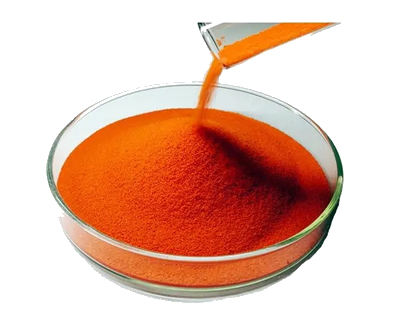
Green Tea Extract Cas No.: 989-51-5;84650-60-2 常规形态为粉末或油状(依产品而定),外观白色至淡黄色,建议在阴凉干燥处密封储存,保质期 24 个月。具体批次规格(含量、重金属、微生物指标等)可向 Rishon Biochem 索取 COA 与产品规格书。
如何订购 Green Tea Extract Cas No.: 989-51-5;84650-60-2?起订量(MOQ)是多少?